Existing home sales: Why is this the worst trend now?
Existing home sales have plummeted to a 16-year low, highlighting a significant shift in the US labor market and real estate landscape.
Current State of Existing Home Sales
The current state of existing home sales has taken a significant downturn, reaching a level not seen in over 16 years. As reported in October, these sales figures reflect a troubling trend in the housing market.
Multiple factors contribute to this decline:
- Rising Interest Rates: Higher mortgage rates have deterred potential buyers.
- Inventory Shortages: A limited supply of homes is pushing prices up, making it difficult for buyers to enter the market.
- Economic Uncertainty: Concerns about the labor market and inflation are causing hesitation among consumers.
Experts warn that unless there is a shift in these conditions, the trend of declining existing home sales could persist, impacting not only buyers but also the overall economy.
Impact of Labor Market on Real Estate
The current state of the labor market plays a crucial role in the ongoing decline of existing home sales. Despite a resilient job market, many potential homebuyers are hesitant to make significant financial commitments. The prevailing uncertainty about economic stability has led to a cautious approach among consumers.
Several factors in the labor market contribute to this trend:
- Wage Growth: While wages have increased, they often do not keep pace with rising home prices.
- Job Security: Many individuals are concerned about potential layoffs, leading them to postpone purchasing decisions.
- Interest Rates: Higher interest rates increase mortgage costs, further discouraging buyers.
As a result, the interconnection between job stability and the housing market highlights why existing home sales have reached a troubling low.
Historical Comparison of Home Sales
In recent years, existing home sales have faced significant fluctuations, often reflecting broader economic trends. Historically, periods of economic growth have correlated with robust home sales, whereas downturns have led to sharp declines.
For instance, during the housing boom of the early 2000s, existing home sales peaked, driven by low interest rates and increased consumer confidence. However, the subsequent crash in 2008 highlighted the vulnerability of the market, leading to a dramatic drop in sales.
Currently, existing home sales are experiencing a notable downturn, with October marking the worst trend in over 16 years. Key factors contributing to this decline include rising mortgage rates and persistent affordability challenges that deter potential buyers.
Looking ahead, analysts are closely monitoring how these historical patterns will influence future sales and the overall health of the housing market.
Factors Contributing to the Decline
The decline in existing home sales can be attributed to several key factors that have emerged in the current economic climate.
- Rising Interest Rates: Higher mortgage rates have made home buying less affordable for many potential buyers, significantly dampening demand.
- Inventory Shortages: A lack of available homes on the market has limited choices for buyers, leading to fewer transactions.
- Economic Uncertainty: Concerns about inflation and a potential recession have caused many individuals to hesitate before making significant financial commitments.
- Changing Buyer Preferences: Post-pandemic shifts in housing preferences have changed the landscape, with many buyers prioritizing different locations or types of homes.
These factors combined have contributed to a significant downturn in existing home sales, marking one of the worst trends in recent history.
Predictions for the Housing Market
As analysts look ahead, predictions for the housing market suggest that existing home sales may continue to struggle in the coming months. Several factors are contributing to this pessimistic outlook:
- Interest Rates: Rising mortgage rates are making home purchases less affordable, discouraging potential buyers.
- Economic Uncertainty: With inflation concerns and fluctuating job security, many are hesitant to make large financial commitments.
- Inventory Shortages: Limited housing supply is causing prices to remain high, further deterring buyers from entering the market.
- Seasonal Trends: Historically, the housing market slows down during the winter months, which could exacerbate the decline in existing home sales.
Given these challenges, experts are watching closely to see if any shifts could alter the current trajectory of the housing market.
Advice for Home Buyers and Sellers
For both home buyers and sellers navigating the current market, understanding the dynamics of existing home sales is crucial. Here are some key points to consider:
- Be Realistic About Pricing: Sellers should set competitive prices based on current market trends, as buyers are more discerning in a declining market.
- Consider Timing: Buyers might benefit from waiting for more favorable conditions, especially if interest rates remain high.
- Invest in Research: Both parties should stay informed about local market conditions and trends to make educated decisions.
- Negotiate Wisely: With existing home sales at a low, flexibility in negotiations can lead to better deals for both buyers and sellers.
Ultimately, patience and informed decision-making will be essential for navigating these challenging times in the housing market.
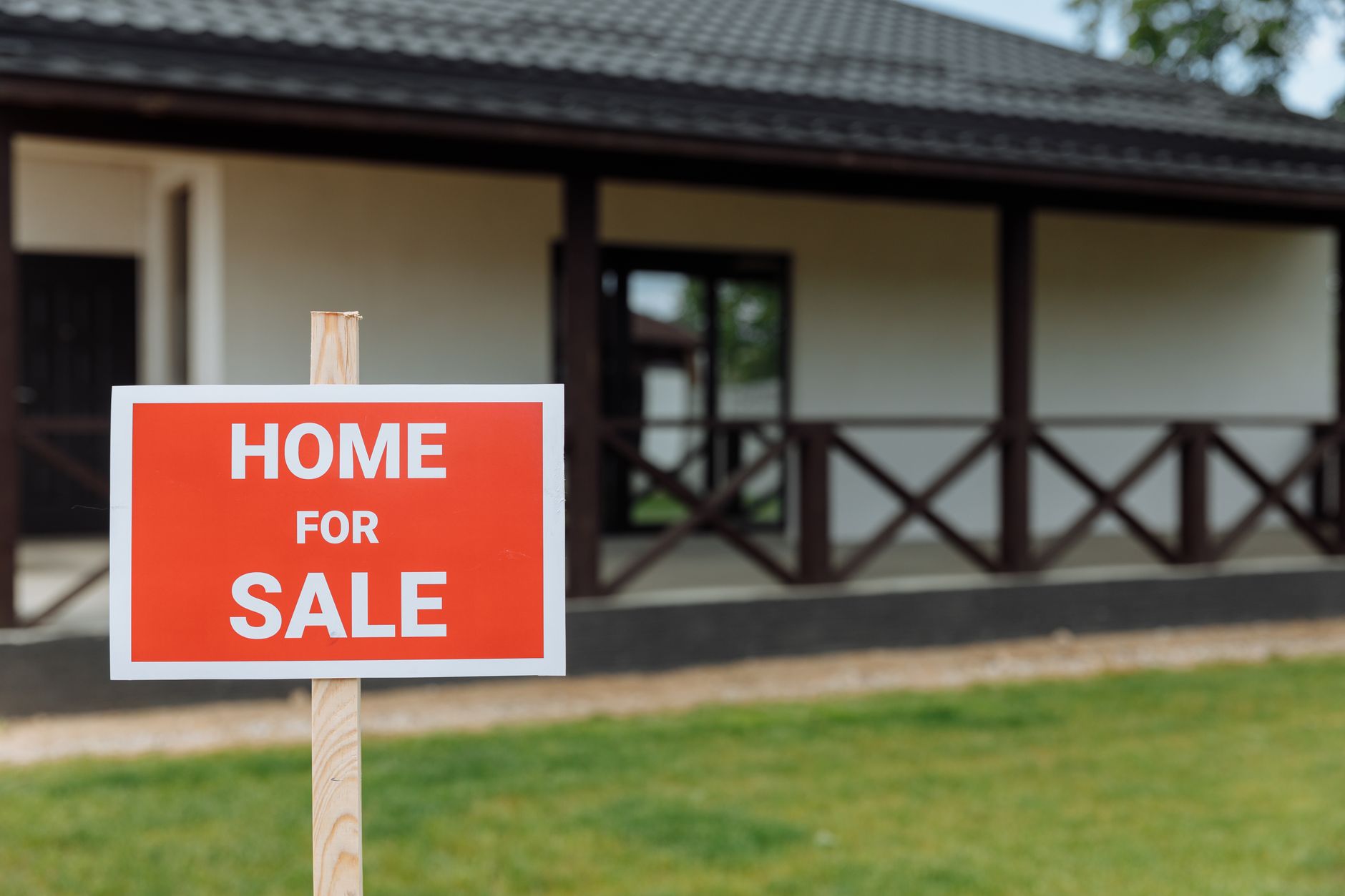
Photo by Thirdman on Pexels