60-Home Village Project: A Smart New Development
The 60-home village project is an exciting new initiative aimed at providing affordable housing options for families in the area. This development promises to enhance community living and support local growth.
Overview of the 60-Home Village Project
The 60-Home Village Project is an innovative initiative launched by Sultan bin Ahmed, aimed at creating a sustainable and community-focused living environment. This project is designed to provide affordable housing solutions while fostering a sense of community among residents.
Strategically located, the village will feature modern amenities and green spaces that encourage an active lifestyle. The initiative is part of a broader effort to address housing shortages and promote sustainable urban development.
Key features of the 60-Home Village Project include:
- Eco-Friendly Design: Homes will be constructed using sustainable materials and energy-efficient technologies to minimize environmental impact.
- Community Facilities: The project will include common areas, parks, and recreational facilities to enhance community interaction.
- Affordable Housing: Designed to cater to various income levels, the project aims to make homeownership accessible to all.
- Smart Technology: Each home will be equipped with advanced technology to improve energy efficiency and enhance living standards.
This development represents a significant step forward in creating cohesive neighborhoods that not only provide shelter but also promote a vibrant community life. With the launch of the 60-Home Village Project, residents can expect a modern living experience that prioritizes sustainability and community engagement.
Benefits of the New Housing Initiative
The launch of the 60-Home Village Project promises numerous benefits for the community and its residents. This innovative housing initiative is designed to address the growing demand for affordable and sustainable living options, fostering a sense of belonging and stability among families.
One of the primary advantages of this development is the emphasis on community integration. By creating a cohesive neighborhood, residents will have access to shared amenities and services that promote social interaction and support. Such communal spaces are essential for enhancing the quality of life, as they encourage residents to engage with one another and build lasting relationships.
Additionally, the 60-Home Village Project prioritizes sustainability by incorporating eco-friendly building practices and materials. This focus on green construction not only reduces the environmental impact but also lowers utility costs for residents, making it a financially viable option for many families.
The project is also expected to stimulate local economic growth. With new homes comes the potential for new businesses, creating job opportunities and boosting the local economy. As more residents move into the area, demand for services and goods will increase, further contributing to the community’s prosperity.
In summary, the 60-Home Village Project stands out as a forward-thinking initiative that aims to enhance community living, promote sustainability, and drive economic development, making it a significant step towards a brighter future for the region.
Community Impact and Development Goals
The 60-home village project is poised to make a significant impact on the local community, fostering not only housing but also social cohesion and economic growth. As the project unfolds, several key development goals are being prioritized to ensure its success.
- Affordable Housing: One of the primary objectives of the project is to provide affordable housing options for low to middle-income families, addressing the growing need for accessible living spaces.
- Sustainable Practices: The initiative emphasizes sustainability by incorporating eco-friendly materials and energy-efficient technologies, aiming to minimize the environmental footprint of the village.
- Community Spaces: The design includes communal areas such as parks and recreational facilities, encouraging social interactions and strengthening community bonds among residents.
- Economic Opportunities: The development will create jobs during and after construction, contributing to local economic growth and offering residents new employment opportunities.
- Infrastructure Improvements: Alongside housing, the project will enhance local infrastructure, including roads and utilities, to support the increased population and improve overall accessibility.
As the 60-home village project progresses, it aims not only to provide shelter but also to cultivate a thriving community that can adapt to future challenges while promoting a sense of belonging among its residents.
Sultan bin Ahmed’s Vision for Affordable Living
Sultan bin Ahmed, a visionary leader in sustainable housing, has unveiled plans for the transformative 60-home village project, aimed at providing affordable living solutions for families in need. His commitment to creating inclusive communities emphasizes the importance of accessible housing in improving the quality of life for residents.
With a keen understanding of the challenges faced by low-income households, Sultan bin Ahmed has outlined several key objectives for the project:
- Affordability: The homes will be priced within reach of the average family, ensuring that financial constraints do not hinder access to quality housing.
- Sustainability: The project will incorporate eco-friendly materials and energy-efficient technologies to minimize environmental impact and reduce living costs.
- Community Development: Beyond just housing, the initiative aims to foster a sense of community through shared spaces and local amenities that encourage social interaction.
- Innovation: Utilizing smart technology, the homes will include features that enhance living experiences, making them not only affordable but also modern and functional.
Through this ambitious 60-home village project, Sultan bin Ahmed is paving the way for a brighter future, where families have the opportunity to thrive in a supportive and nurturing environment. His vision underscores the crucial role of affordable housing in building resilient communities.
Timeline for Project Completion
The timeline for the completion of the 60-home village project has been carefully outlined to ensure a smooth progression from the initial planning stages to final construction. The project is expected to unfold in several key phases, each designed to address different aspects of the development.
Initially, the project will begin with a comprehensive site assessment, which is scheduled to take place over the next two months. This phase will involve environmental studies and community consultations to gather feedback from local residents.
Following the assessment, the design and planning phase will commence, projected to last for approximately six months. During this period, architects and urban planners will work collaboratively to finalize the layout of the village, ensuring it meets both aesthetic and functional needs.
The actual construction is anticipated to start by the end of the year, with a completion target set for 2025. The construction phase will occur in stages, with the first homes expected to be ready for occupancy by mid-2024.
Throughout the development process, regular updates will be provided to the community, ensuring transparency and engagement. The overall goal is to create a vibrant and sustainable living environment that aligns with Sultan bin Ahmed’s vision for affordable living.
Funding and Support for the Initiative
The funding and support for the 60-Home Village Project have been pivotal in bringing this ambitious initiative to life. The project has garnered significant backing from both public and private sectors, ensuring a robust financial foundation.
Key sources of funding include:
- Government Grants: Local and state governments have allocated substantial grants aimed at promoting affordable housing developments.
- Private Investments: Several real estate developers and investors have expressed enthusiasm for the project, contributing essential capital and resources.
- Community Partnerships: Nonprofit organizations and community groups have joined forces with the project, providing additional financial and logistical support to enhance its reach.
In addition to financial backing, the project has received endorsements from various stakeholders who recognize the importance of sustainable and affordable living solutions. This support reflects a shared commitment to addressing housing challenges faced by many families in the region.
Moreover, the initiative aligns with broader economic development goals that aim to create vibrant, inclusive communities. As the 60-Home Village Project progresses, it is expected to serve as a model for future housing initiatives, demonstrating how strategic funding and collaboration can achieve lasting positive change.
Local Reactions to the New Development
Local reactions to the 60-home village project have been mixed, with many community members expressing both excitement and concern about the new development. Supporters of the initiative highlight the potential benefits, particularly in terms of affordable housing and community growth.
- Positive Feedback: Many residents are eager to see the project come to fruition. Local teacher Sarah Johnson stated, “This project is a game-changer for our community. It will provide much-needed housing for families and help attract new businesses.”
- Concerns Raised: Conversely, some residents worry about the environmental impact and increased traffic that may accompany the new homes. Long-time resident Mark Smith noted, “While I understand the need for housing, I hope developers consider the strain on our local infrastructure.”
Community meetings have been organized to address these concerns, allowing residents to voice their opinions and ask questions about the project’s implementation. City planners are committed to ensuring that the 60-home village project aligns with the community’s needs and values.
Overall, as discussions continue, it is clear that the 60-home village project has sparked a vital dialogue about the future of housing and development in the area.
Future Plans for Similar Projects
The success of the 60-home village project has sparked discussions about the potential for similar initiatives in the region. Local officials and community leaders are optimistic that this model can be replicated to address housing shortages in other areas. The positive response from residents has underscored the importance of affordable living solutions, prompting a reevaluation of urban development strategies.
Future plans for additional projects may include:
- Expansion of Affordable Housing: Proposals are being developed to create more villages similar to the 60-home project, aimed at various demographics including young families and seniors.
- Incorporation of Sustainable Practices: Future developments may integrate eco-friendly technologies and materials to promote sustainability and reduce environmental impact.
- Community Facilities: Plans for future projects could include the addition of communal spaces, parks, and recreational facilities to enhance quality of life for residents.
- Partnerships with Local Businesses: Collaborations with local enterprises may be pursued to support economic growth and provide job opportunities within new developments.
As the 60-home village project sets a precedent, stakeholders are committed to leveraging its success to drive further investments in affordable housing. These initiatives aim not only to provide shelter but also to foster vibrant, supportive communities.
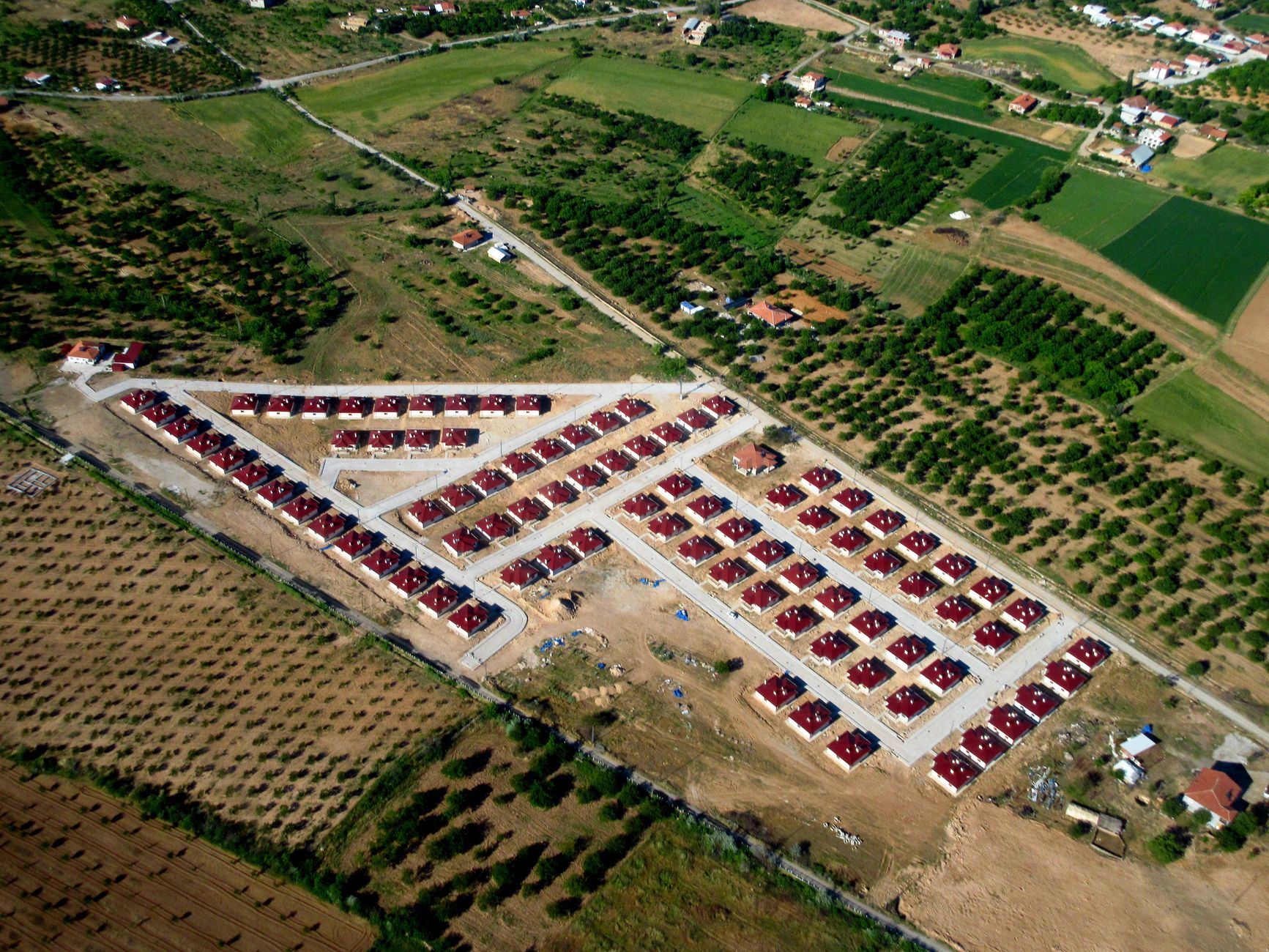
Photo by Burak Genç on Pexels