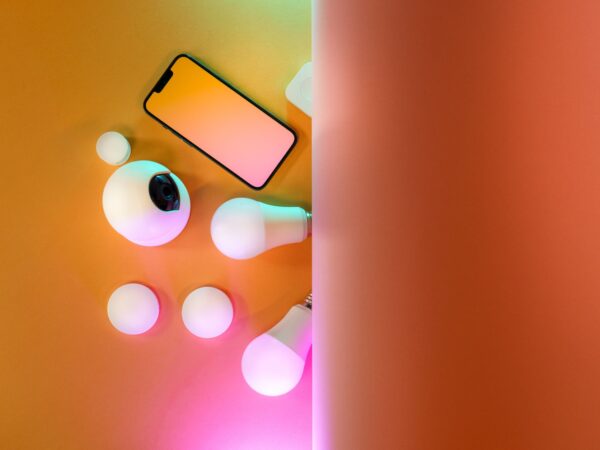
Smart Home Device Cooperation: The Best Proven Strategies
smart home device cooperation is set to grow as Apple partners with LG to launch new products. This collaboration promises exciting advancements in home automation technology.
Introduction to Smart Home Device Cooperation
In recent years, the concept of smart home device cooperation has gained significant traction as technology companies seek to create a seamless living experience for consumers. The integration of various devices within a smart home ecosystem allows homeowners to manage their appliances, security systems, and energy consumption with ease.
One of the most notable developments in this realm is the collaboration between major tech giants, such as Apple and LG. This partnership aims to expand the range of smart home devices available to consumers, including innovative products like door locks, doorbells, and thermostats. Such advancements not only enhance convenience but also improve home security and energy efficiency.
As the market for smart home technology continues to grow, companies are discovering that cooperation is essential for success. By working together, they can create interoperable devices that communicate seamlessly, providing users with a unified experience.
In this article, we will explore the best proven strategies for effective smart home device cooperation, highlighting the importance of collaboration in fostering innovation and improving user satisfaction.
Apple and LG Partnership Overview
In a significant move towards enhancing the smart home device cooperation landscape, Apple and LG have announced a strategic partnership aimed at integrating their technologies to create innovative home solutions. This collaboration is set to introduce a range of products, including smart door locks, doorbells, and thermostats, which will leverage each company’s strengths in design and functionality.
The partnership aims to provide users with a seamless experience in managing their smart homes. By combining Apple’s expertise in software and user experience with LG’s advancements in hardware, the two companies are expected to set new standards in the smart home industry. Consumers can anticipate devices that not only enhance security but also improve energy efficiency and convenience.
As part of this initiative, both companies will focus on the interoperability of devices. This means that users will be able to control various devices from either brand through a unified platform, ensuring ease of use and compatibility. The collaboration highlights the growing trend of smart home device cooperation, where companies work together to create cohesive ecosystems that benefit consumers.
With this partnership, Apple and LG aim to redefine the smart home experience, making it smarter and more integrated than ever before.
New Products: Door Locks and Doorbells
As the market for smart home devices continues to evolve, industry giants Apple and LG are set to introduce new products that enhance home security and convenience. Among the most anticipated items are smart door locks and doorbells, designed to work seamlessly within the Apple ecosystem.
The collaboration aims to redefine how consumers interact with their homes. These devices will not only allow homeowners to lock and unlock their doors remotely but will also enable them to monitor their front entrances via real-time video feeds. This innovation reflects a significant step in smart home device cooperation, ensuring compatibility and ease of use across different platforms.
- Smart Door Locks: Featuring advanced encryption and user-friendly apps, these locks provide enhanced security and peace of mind.
- Smart Doorbells: With built-in cameras and two-way audio, users can see and communicate with visitors from anywhere.
As Apple and LG continue to innovate, the integration of these devices into their existing systems will likely lead to a more cohesive smart home experience. Consumers can expect these products to arrive soon, further solidifying the partnership’s impact on the smart home landscape.
Impact on Smart Home Market
The impact of smart home device cooperation between major technology companies like Apple and LG is poised to reshape the smart home market significantly. As these corporations collaborate, they not only bring innovative products to consumers but also enhance the interoperability of smart devices within the home. This integration is vital for creating a seamless user experience, where various devices communicate effectively with one another.
One of the most significant outcomes of this cooperation is the introduction of new product offerings. With the launch of smart door locks, doorbells, and thermostats, homeowners can expect greater convenience and security. These devices are designed to work harmoniously with existing Apple and LG ecosystems, allowing users to control multiple functionalities through a single interface.
Furthermore, this collaboration fosters healthy competition within the market. As more companies engage in partnerships to develop smart home technologies, consumers benefit from improved products and services. The focus on smart home device cooperation encourages innovation, driving advancements that enhance overall user satisfaction and functionality.
In summary, the impact on the smart home market is profound, with cooperation paving the way for a future where interconnected devices create more intelligent living environments.
Consumer Benefits of Smart Devices
The cooperation between smart home device manufacturers such as Apple and LG brings numerous benefits to consumers, enhancing their everyday lives through increased convenience and security. By integrating advanced technology, these devices create a seamless and interconnected ecosystem that allows users to control their homes remotely.
One of the primary advantages is the improved energy efficiency that comes with smart thermostats. These devices learn user preferences and adjust heating and cooling accordingly, leading to reduced energy consumption and lower utility bills. Additionally, smart door locks and doorbells offer enhanced security features, allowing homeowners to monitor their properties in real-time and receive alerts about any unusual activity.
Furthermore, the cooperation in developing these products ensures compatibility among various devices, making it easier for users to build a personalized smart home setup. This interconnectedness means that consumers can control multiple devices through a single interface, simplifying their experience.
With the growing emphasis on smart home device cooperation, consumers can expect even more innovative features and improvements, ultimately transforming their living spaces into more efficient and secure environments. The ongoing partnership between major tech companies promises continuous advancements in smart home technology.
Future of Home Automation
The future of home automation is poised for a significant transformation, driven by the growing trend of smart home device cooperation. As companies like Apple and LG collaborate to enhance their product offerings, consumers can anticipate a more integrated and seamless experience in managing their homes. The synergy between these tech giants promises to yield innovative solutions that cater to the increasingly sophisticated demands of modern households.
One of the most exciting prospects is the potential for interoperability among various smart devices. As manufacturers embrace collaboration, devices from different brands will work together more effectively, simplifying user experience and enhancing functionality. For instance, imagine a smart thermostat that can automatically adjust based on the activity detected by smart door locks and doorbells.
Furthermore, advancements in artificial intelligence and machine learning will enable these devices to learn consumer preferences over time, optimizing energy usage and improving security. The emphasis on user-friendly interfaces and robust security features will also play a crucial role in driving adoption.
In conclusion, the future of home automation looks bright as smart home device cooperation continues to evolve, paving the way for a more connected and efficient living environment.
Challenges in Smart Home Integration
The integration of smart home devices presents several challenges that companies must navigate to ensure successful cooperation. One of the primary issues is compatibility among various devices and platforms. With numerous manufacturers in the market, ensuring that products from different brands work seamlessly together can be difficult. This lack of standardization often leads to consumer frustration, as users may find it challenging to connect devices from different ecosystems.
Another significant challenge is data privacy and security. As smart home devices become more interconnected, the amount of data exchanged increases, raising concerns about how this information is stored and used. Consumers want assurances that their personal data is protected, which requires companies to invest in robust security measures.
Additionally, the user experience must be prioritized. If consumers find smart home devices complicated or unintuitive, they may abandon them altogether. Companies like Apple and LG, in their quest for enhanced smart home device cooperation, need to focus on creating user-friendly interfaces that simplify the setup and operation of these products.
Ultimately, addressing these challenges is crucial for fostering greater acceptance of smart home technology and ensuring its long-term success in the consumer market.
Conclusion and Future Outlook
As the smart home device cooperation between major tech companies like Apple and LG continues to evolve, the future of home automation appears promising. By combining their strengths, these companies are set to introduce innovative products that enhance convenience, security, and energy efficiency for consumers.
The recent launch of new devices such as smart door locks and doorbells signifies a robust commitment to improving user experience. This collaboration not only benefits the companies involved but also fosters an ecosystem where interoperability becomes increasingly achievable. Consumers can expect enhanced functionality as devices work seamlessly together, creating a more cohesive smart home environment.
However, challenges in smart home integration remain a significant hurdle. Addressing issues such as compatibility and security will be essential for ensuring consumer trust and widespread adoption. As technology advances, the focus will likely shift toward developing solutions that prioritize user privacy and data protection.
In conclusion, the ongoing cooperation in the smart home device industry represents a critical step toward a more connected future. By leveraging collective expertise, companies can create products that not only meet current consumer demands but also anticipate future needs, ensuring that smart home technology continues to thrive.
To enhance smart home device cooperation, users should consider integrating devices from the same ecosystem to ensure seamless functionality. Additionally, regular updates and proper configuration play a crucial role in optimizing smart home device cooperation.