High Gas Prices: The Worst Impact on City Levies
high gas prices are squeezing city budgets, creating potential challenges for local levies. As fuel costs rise, municipalities may struggle to maintain essential services and infrastructure funding.
Understanding the Current Gas Price Surge
The recent surge in gas prices has become a pressing concern for many cities across the nation. As high gas prices continue to rise, local governments are feeling the squeeze on their budgets.
City officials are particularly worried about the impact on essential services that rely heavily on fuel. The increase in transportation costs can lead to:
- Budget Constraints: Higher fuel prices mean cities may need to allocate more funds for public transportation and waste management services, potentially diverting money from other critical areas.
- Inflationary Pressures: As gas prices soar, the cost of goods and services generally increases, leading to higher living costs for residents and straining local economies.
- Reduced Public Services: Cities may face tough decisions about cutting back on services, delaying infrastructure projects, or increasing taxes to cover rising fuel costs.
In this context, understanding the implications of high gas prices is vital for residents and policymakers alike. The ripple effects of these price hikes extend beyond just the fuel pump, affecting everything from city levies to daily commuting expenses.
As communities grapple with these challenges, finding sustainable solutions will be essential to mitigate the impact of high gas prices on local governance and infrastructure.
How Gas Prices Affect Local Economies
High gas prices not only affect individual motorists but also have far-reaching implications for local economies. As fuel costs rise, the ripple effect is felt in various sectors, particularly those reliant on transportation and logistics.
One significant impact is on municipal budgets. Cities often depend on levies to fund essential services, including public safety, infrastructure, and community programs. When residents face increased expenses due to high gas prices, their disposable income shrinks, leading to potential decreases in tax revenues. This could result in:
- Reduced spending: Residents may cut back on non-essential purchases, which can adversely affect local businesses.
- Increased operational costs: Local governments may face higher costs for fuel, affecting everything from road maintenance to garbage collection.
- Budget shortfalls: With less tax revenue coming in, cities might struggle to maintain current service levels or implement new projects.
Moreover, as high gas prices persist, municipalities might be forced to reconsider their levy strategies, potentially leading to increased taxes or reduced services. The interconnectedness of fuel prices and local economies emphasizes the need for strategic planning to mitigate these impacts.
The Relationship Between Fuel Costs and City Levies
The relationship between fuel costs and city levies has become increasingly significant as high gas prices continue to burden local governments. When fuel prices rise, the impact is felt not only by individual drivers but also by municipalities that rely on various revenue sources.
City levies, often used to fund essential services such as public safety and infrastructure, are directly influenced by the economic climate shaped by fuel costs. As high gas prices strain household budgets, residents may be less capable of paying property taxes or supporting local initiatives. This can lead to a decline in revenue for cities, forcing them to make difficult budgeting decisions.
Moreover, the financial strain from high gas prices affects the operational costs for city services. Some of the ways in which fuel costs can impact city levies include:
- Increased transportation expenses: Higher fuel costs lead to increased expenses for public transportation and city vehicles.
- Reduced sales tax revenue: When residents have less disposable income, spending decreases, resulting in lower sales tax collections.
- Funding for projects: As budgets tighten, cities may delay or cancel vital projects aimed at improving infrastructure.
Ultimately, the ripple effects of high gas prices can jeopardize the stability of city levies, making it crucial for local leaders to develop strategies to mitigate these challenges.
Potential Solutions for Budget Shortfalls
As high gas prices continue to strain local budgets, city officials are exploring potential solutions to mitigate the impact on city levies. The rising costs of fuel have not only affected residents’ wallets but have also placed significant pressure on municipal financing, urging cities to find innovative approaches to address budget shortfalls.
One proposed solution is the implementation of a fuel tax adjustment, which would allow municipalities to increase fuel taxes during periods of high gas prices. This could help stabilize local revenues without placing additional burdens on residents. However, officials are cautious, as raising taxes could lead to further discontent among taxpayers already struggling with rising costs.
Additionally, cities are considering increased investment in public transportation systems. By improving accessibility and encouraging public transit usage, cities could reduce the overall demand for gasoline, potentially alleviating the financial pressure caused by high gas prices. This approach not only addresses budgetary concerns but also promotes sustainability and reduces traffic congestion.
Lastly, local governments are exploring partnerships with private sectors to share resources and costs. By collaborating on projects that enhance efficiency, cities may be able to navigate the effects of high gas prices while maintaining essential services for their communities.
Community Response to Rising Costs
As high gas prices continue to strain budgets, community members are expressing their concerns regarding the impact on city services and projects. Many residents feel that the rising costs are not only affecting their personal finances but also the overall quality of life in their neighborhoods.
In a recent town hall meeting, citizens voiced their frustrations, emphasizing how high gas prices are leading to increased transportation costs, which in turn affect local businesses. “We are seeing more and more people cutting back on spending,” said one local shop owner. “If customers are spending more on gas, they have less to spend in our stores.”
In response, community activists have organized a series of initiatives aimed at addressing these issues, including:
- Public Awareness Campaigns: Educating residents about the implications of high gas prices on city funding.
- Advocacy for State Aid: Lobbying for additional support from state government to help cities cope with rising costs.
- Alternative Transportation Options: Promoting public transit and carpool programs to reduce dependency on fuel.
As discussions continue, many hope that community-driven solutions can mitigate the worst impacts of high gas prices on essential city services.
Future Projections for Gas Prices
As cities grapple with the consequences of high gas prices, future projections indicate that these costs may continue to rise in the coming months. Economic analysts suggest that several factors contribute to the volatility of gas prices, including geopolitical tensions, supply chain disruptions, and seasonal demand fluctuations.
In light of these influences, many cities are bracing for the worst as they plan their budgets. Forecasts show that if current trends persist, residents could face even higher fuel costs, which may exacerbate the financial pressures on local governments. Analysts predict that inflationary pressures will compound the effects of high gas prices, impacting everything from transportation budgets to public services.
City officials are particularly concerned about the implications for levies, which serve as essential funding sources for infrastructure and community services. With rising fuel costs likely to squeeze budgets further, cities may have to make difficult decisions regarding levy adjustments.
In addition, experts warn that the increasing burden of high gas prices could lead to a cycle of reduced spending in local economies, further straining city budgets. As the situation develops, it remains crucial for local governments to adapt their financial strategies to mitigate the adverse effects of these ongoing challenges.
Impacts on Real Estate Markets
The surge in high gas prices has begun to exert significant pressure on real estate markets across various cities. As fuel costs continue to rise, the implications for property values and rental rates have become increasingly evident.
One of the most immediate effects is the increased cost of commuting. Homebuyers and renters are now factoring in transportation expenses when considering where to live. This has led to a shift in demand:
- Suburban areas are seeing a slight increase in popularity as people seek more affordable housing options that allow them to avoid long commutes.
- Urban properties, particularly those near public transit, are maintaining their value better than others, as location becomes a crucial factor in daily commuting costs.
Additionally, rising gas prices have impacted the construction industry. Higher transportation costs for materials and labor can lead to increased homebuilding expenses, which may be passed on to buyers. This scenario has the potential to create a ripple effect throughout the market, resulting in:
- Reduced affordability for first-time buyers.
- A potential slowdown in new housing developments.
As cities grapple with these challenges, the long-term effects of high gas prices on real estate markets remain to be fully understood.
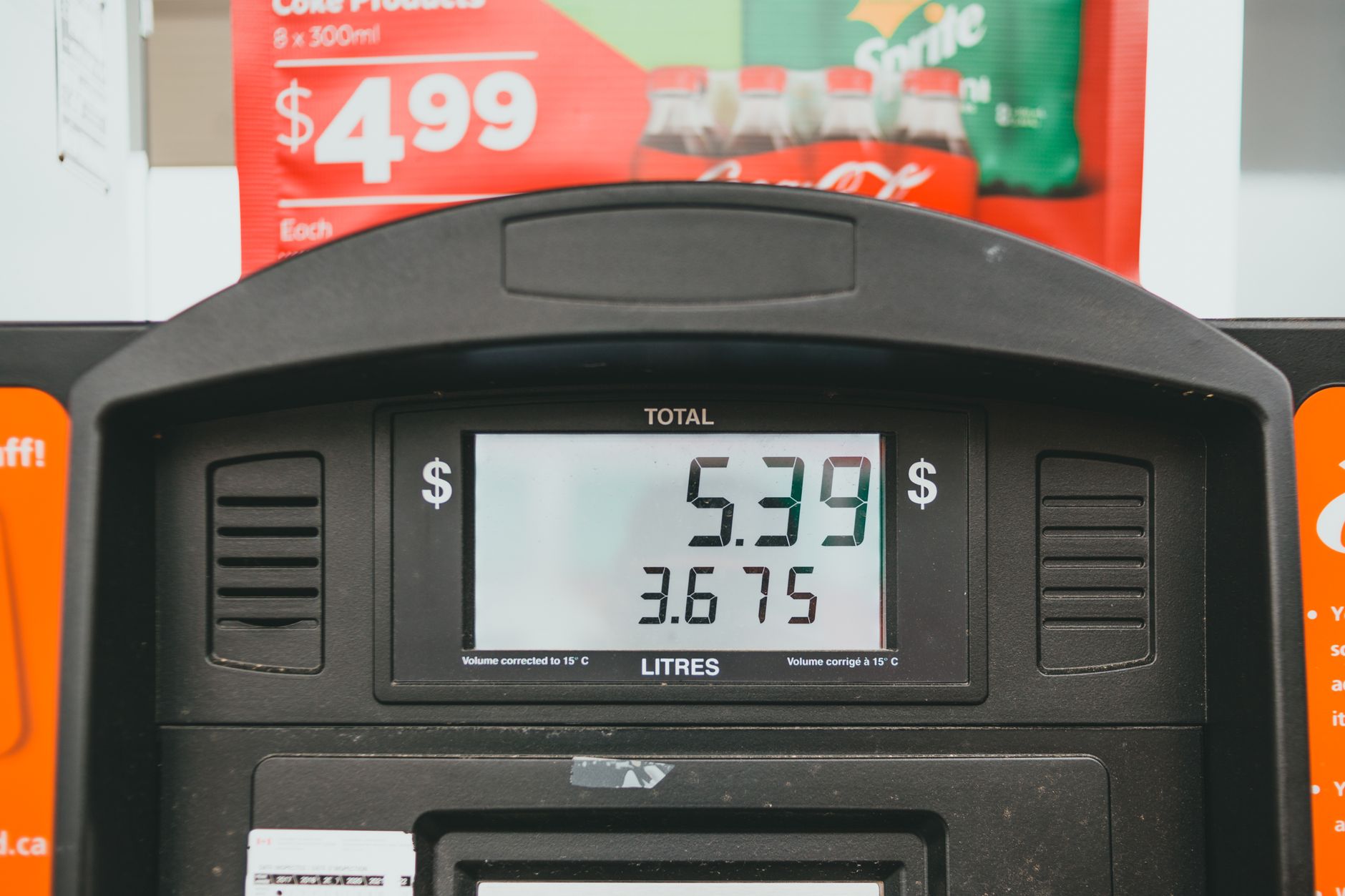
Photo by Erik Mclean on Pexels
Sources
You might also like
Operational preparedness evaluation: Best proven strategies · MetaTrader WebTrader Benefits for Flexible Trading Across Multiple Devices · What to Look for When Comparing Medicare Advantage Plans in 2027