Asbestos in Popcorn Ceilings
What Is Asbestos and Why Was It Used?
Asbestos refers to a group of six naturally occurring fibrous minerals that were widely used in construction materials for their durability and resistance to heat. In popcorn ceilings, asbestos served as a binding agent that added texture and improved fireproofing. Its widespread use was largely due to its affordability and effectiveness, making it a go-to material for builders during the mid-20th century. However, its dangers became evident over time, leading to stricter regulations and a shift away from its use.
Historical Use of Popcorn Ceilings
Popcorn ceilings, also known as textured or acoustic ceilings, gained popularity in the 1950s through the 1980s. They were especially common in residential homes, as they were an easy and cost-effective way to cover imperfections and provide sound insulation. Unfortunately, many of these ceilings contained asbestos, which wasn’t recognized as hazardous until decades later. Homes built before the 1980s are more likely to have popcorn ceilings with asbestos, making their identification and handling a critical concern for homeowners today.
Health Concerns Linked to Asbestos
The health risks associated with asbestos are severe and well-documented. When asbestos fibers become airborne, they can be inhaled and lodge in the lungs, causing long-term damage. Diseases such as asbestosis, lung cancer, and mesothelioma have all been linked to asbestos exposure. The danger increases during renovations or removals, as disturbing the ceiling can release harmful particles into the air. For this reason, removing popcorn ceilings requires meticulous care and adherence to safety protocols to protect both residents and workers from exposure.
Health Risks Associated With Asbestos Exposure
Respiratory Diseases Caused by Asbestos
Breathing in asbestos fibers can lead to serious respiratory issues. These tiny fibers, when inhaled, settle in the lungs and irritate the tissue. Over time, this can result in conditions like asbestosis, a chronic lung disease that causes scarring and breathing difficulties. Another significant risk is lung cancer, which can develop after prolonged exposure. Mesothelioma, a rare and aggressive cancer affecting the lining of the lungs or abdomen, is almost exclusively caused by asbestos exposure. The risks are heightened for individuals who work in industries where asbestos was commonly used, such as construction or shipbuilding.
Long-Term Effects of Asbestos Exposure
The long-term effects of asbestos exposure can be devastating. Symptoms of asbestos-related diseases often take decades to appear, making early detection nearly impossible. Once diagnosed, these conditions are usually irreversible and can significantly reduce life expectancy. For instance, mesothelioma often has a poor prognosis, with many patients surviving less than a year after diagnosis. Chronic respiratory problems and reduced lung function are common among long-term sufferers. Even minimal exposure can have serious consequences over time, as the fibers remain lodged in the body.
Vulnerable Populations and Risk Factors
Certain groups are more vulnerable to the harmful effects of asbestos. Workers in industries like construction, demolition, and manufacturing are at the highest risk due to frequent exposure. Additionally, family members of these workers may face secondary exposure from fibers brought home on clothing or tools. Other risk factors include smoking, which can compound the effects of asbestos and increase the likelihood of lung cancer. Children and the elderly are also more susceptible due to their developing or weakened immune systems. Understanding these risks is crucial to minimizing exposure and protecting vulnerable populations.
Identifying Asbestos in Popcorn Ceilings
Visual Indicators of Asbestos Presence
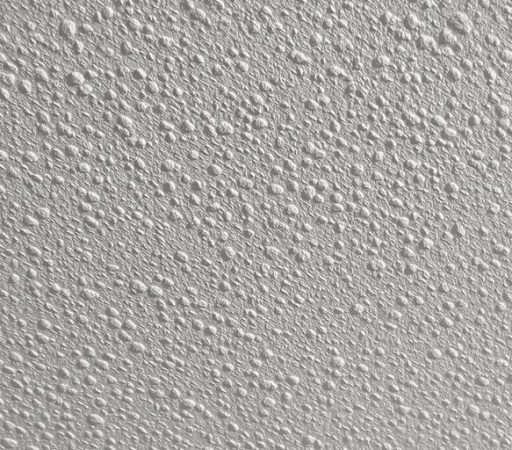
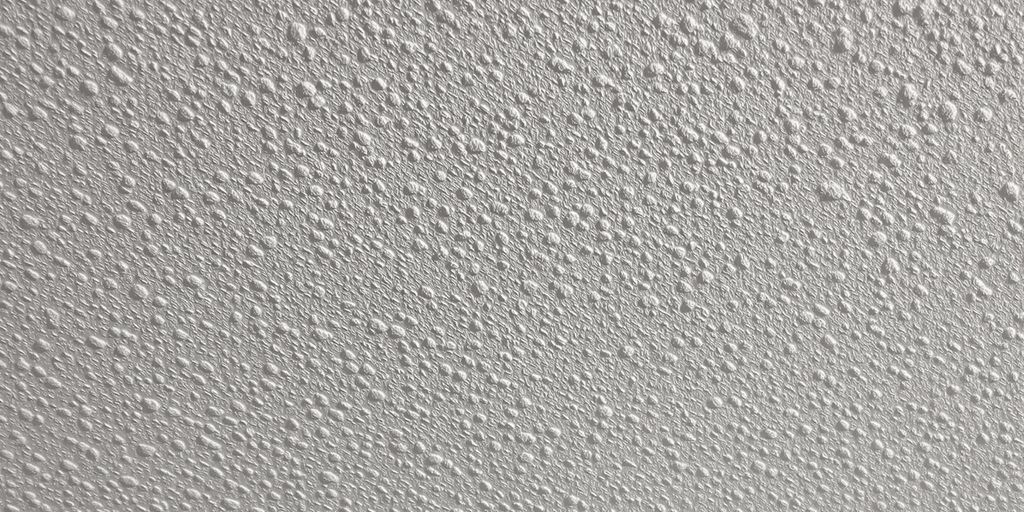
Popcorn ceilings, also called “cottage cheese” or “acoustic” ceilings, have a rough, bumpy texture. This unique look comes from materials sprayed onto the surface during application, often including asbestos in older homes. However, visual inspection alone cannot confirm asbestos presence. While ceilings installed before the 1980s are more likely to contain asbestos, the exact composition varies.
Signs to watch for include:
- Thick, uneven layers of texture.
- A lumpy or rough surface that resembles cottage cheese.
- Ceilings installed between 1945 and 1980, as this was the peak usage period for asbestos in construction.
Professional Testing for Asbestos
The only reliable way to confirm asbestos in a popcorn ceiling is through professional testing. Homeowners can collect a small sample of the textured material—typically about 1/4 teaspoon—and submit it for laboratory analysis. Testing for asbestos in popcorn ceilings focuses on identifying asbestos concentration within the sample using advanced methods. Certified professionals can also handle the sampling process to reduce exposure risks.
Steps for professional testing:
- Wear protective gear, including a mask and gloves, if collecting a sample yourself.
- Dampen the area to minimize airborne particles before scraping a small portion.
- Seal the sample in a clean, labeled container and send it to a certified lab.
Common Misconceptions About Asbestos Identification
One common myth is that all popcorn ceilings contain asbestos. This isn’t true—some ceilings were made with safer materials, even during the height of asbestos use. Another misconception is that asbestos is visible to the naked eye. In reality, asbestos fibers are microscopic and cannot be detected visually.
Additionally, many believe newer homes are completely free of asbestos. While less common, some builders used older materials in later projects, meaning even homes built after the 1980s could still have asbestos-containing ceilings. For textured ceilings, identification of asbestos should always involve proper testing rather than assumptions.
Legal Regulations Surrounding Asbestos Removal
Federal Guidelines on Asbestos Handling
The U.S. federal government has implemented strict guidelines to manage asbestos removal, ensuring public safety and environmental protection. The Environmental Protection Agency (EPA) sets specific standards under its air toxics regulation for asbestos, which aims to minimize the release of airborne asbestos fibers during handling. These rules apply to demolition, renovation, and disposal activities. Following these regulations is not optional—it’s a legal requirement. Individuals or companies failing to comply may face significant penalties.
State-Specific Laws for Asbestos Removal
While federal rules provide a baseline, individual states often expand on these laws with their own regulations. For example, in California, hiring a registered asbestos abatement contractor is mandatory for certain projects. Homeowners and contractors can consult a list of contractors registered with Cal/OSHA to ensure compliance. These state-specific rules often address licensing, notification procedures, and additional safety measures. It’s crucial to check local laws before beginning any asbestos-related work.
Penalties for Improper Asbestos Disposal
Improper handling or disposal of asbestos is not just dangerous—it’s illegal. Violations can lead to severe consequences, including hefty fines and even criminal charges in extreme cases. Disposal must occur at approved facilities, and all materials must be properly sealed and labeled. Ignoring these steps can harm the environment and put nearby communities at risk. By adhering to the guidelines set forth by agencies like the EPA and state authorities, individuals can avoid these penalties while protecting public health.
Safe Methods for Removing Asbestos in Popcorn Ceilings
DIY Removal: Risks and Precautions
Removing a popcorn ceiling that contains asbestos is a dangerous task. Asbestos fibers can become airborne during removal, posing serious health risks if inhaled. While some homeowners may consider tackling the process themselves to save money, the risks often outweigh the benefits.
If you decide to proceed with DIY removal, take these precautions:
- Wear a high-quality respirator rated for asbestos protection.
- Seal off the work area using plastic sheeting to prevent contamination in other parts of the home.
- Use a wet-scraping method to minimize the release of asbestos fibers into the air.
However, avoiding DIY removal altogether is the safest option. Even with precautions, the chance of exposure remains high, and improper handling can lead to contamination.
Hiring Certified Asbestos Abatement Professionals
For the safest and most effective removal, hiring certified asbestos abatement professionals is strongly recommended. These experts are trained to handle asbestos material safely and comply with all legal regulations. They use specialized equipment and techniques to ensure that asbestos fibers are contained and removed properly.
When choosing a contractor, verify their certification and ask for references. A professional team will:
- Conduct a thorough inspection to confirm the presence of asbestos.
- Use industrial-grade equipment, such as HEPA filters, to manage airborne fibers.
- Dispose of asbestos waste according to strict legal guidelines.
This approach not only ensures safety but also provides peace of mind that the job is done correctly.
Necessary Equipment for Safe Removal
Whether you hire a professional or attempt removal yourself, using the right equipment is critical. Essential tools and materials include:
- Respirators with P100 filters to protect against inhaling asbestos fibers.
- Plastic sheeting and duct tape to create a sealed containment area.
- HEPA vacuums to clean up any residual dust and debris.
Additionally, professionals often use negative air pressure systems to prevent asbestos fibers from spreading during removal. These tools are typically unavailable to the average homeowner, making professional services even more vital.
For those considering different techniques, methods like scraping or skim coating are only safe when asbestos is not present. Always test for asbestos before beginning any ceiling removal project.
Cost Implications of Asbestos Removal
Factors Influencing Removal Costs
Several factors can impact how much asbestos removal will cost. The size of the area is a major consideration—larger spaces naturally require more time and effort to clean. Additionally, the condition of the asbestos-containing material plays a role. If the material is damaged or deteriorating, it might require more careful handling, which could raise costs. Accessibility is another factor; ceilings that are harder to reach or require special equipment will likely cost more to remediate.
On average, popcorn ceiling removal costs between $9 and $20 per square foot, depending on these variables. Homeowners should also account for additional expenses like testing, permits, and post-removal air quality checks.
Comparing DIY and Professional Costs
While some may consider removing asbestos themselves to save money, this approach comes with significant risks. DIY removal might seem cheaper upfront, but the cost of safety equipment, disposal materials, and potential fines for improper handling can add up quickly. More importantly, mishandling asbestos can lead to severe health issues for both the individual and their household.
Hiring a professional ensures the job is done safely and in compliance with legal standards. Asbestos remediation carried out by certified experts typically costs between $5 and $20 per square foot. This price often includes testing, removal, and proper disposal, making it a safer and more comprehensive option.
Financial Assistance for Asbestos Abatement
For those concerned about the high costs, financial aid may be available. Some local and state programs offer grants or subsidies to help cover asbestos removal expenses, particularly for low-income households. Additionally, certain home insurance policies may include coverage for asbestos abatement under specific conditions. It’s worth checking with insurance providers and local government offices to explore available options.
In summary, while the cost of asbestos removal can be significant, understanding the factors that influence pricing and exploring professional services or financial aid options can help homeowners manage these expenses effectively.
Alternatives to Removing Asbestos in Popcorn Ceilings
Encapsulation as a Safe Option
Encapsulation involves sealing the asbestos-containing material to prevent fibers from becoming airborne. This method is often preferred when the ceiling is in good condition and does not pose an immediate risk. Encapsulation is a practical and cost-effective alternative to full removal. Homeowners can use specialized sealants designed for asbestos, ensuring the material stays undisturbed. However, it’s important to consult with a professional to determine if this approach is suitable for your home.
Covering Popcorn Ceilings With New Materials
Another alternative is to cover the popcorn ceiling with new materials, effectively sealing the asbestos and giving the room a fresh look. Popular options include:
- Drywall: A clean and modern solution that hides the textured ceiling completely.
- Wood planks: Adds a warm, rustic charm to the space while keeping asbestos fibers contained.
- Tiles or stretch fabric: These materials offer a decorative touch and are easy to install.
For example, covering popcorn ceilings with drywall or other materials not only updates the aesthetic but also reduces the risk of asbestos exposure.
When to Consider Leaving Asbestos Untouched
In some cases, the safest option is to leave the asbestos-containing popcorn ceiling as it is, especially if it’s in good condition and unlikely to be disturbed. This approach eliminates the risk of accidental exposure during removal or encapsulation. Regular inspections by a professional can help ensure the ceiling remains safe over time. If you’re unsure, testing the ceiling for asbestos before making any changes is essential. For instance, testing for asbestos prior to any scraping or renovations can prevent unnecessary risks.
Preventing Asbestos Exposure During Renovations
Precautions for Homeowners and Contractors
Renovating a home with potential asbestos-containing materials demands a cautious approach. Homeowners can prevent asbestos exposure during renovations by adhering to legal regulations, wearing protective gear such as masks and gloves, sealing off renovation areas, ensuring proper ventilation, and disposing of asbestos materials through registered removal services. Contractors, too, should follow strict safety protocols to minimize risks. For both parties, it’s essential to avoid disturbing materials unless absolutely necessary, as this can release dangerous fibers into the air.
Importance of Pre-Renovation Testing
Before starting any renovation project, testing the area for asbestos is non-negotiable. A professional inspection can identify whether materials like popcorn ceilings, insulation, or flooring contain asbestos. Without this step, homeowners and contractors risk unknowingly exposing themselves to harmful fibers. Testing ensures the renovation process is both safe and compliant with legal regulations established by federal and state authorities.
Safe Renovation Practices Around Asbestos
If asbestos is found, specific practices can reduce exposure risks. These include:
- Wetting materials before handling them to prevent dust.
- Using HEPA-filtered vacuums and air purifiers to capture airborne fibers.
- Keeping the renovation area sealed off with plastic sheeting and duct tape.
Additionally, hiring certified asbestos abatement professionals is often the safest course of action. They have the expertise and equipment to handle asbestos removal properly, ensuring the health and safety of everyone involved.
Post-Removal Considerations and Safety Measures
Ensuring Proper Disposal of Asbestos Waste
Once asbestos materials are removed, proper disposal is not just a preference—it’s the law. Failing to dispose of asbestos waste correctly can lead to serious legal and environmental consequences. Companies or individuals handling asbestos must follow strict state and federal regulations to ensure the safety of everyone involved. This includes sealing the waste in approved containers and transporting it to designated disposal facilities. For those undertaking DIY removal, it’s critical to check local guidelines to avoid penalties. Learn more about safely disposing of asbestos materials to stay compliant.
Air Quality Testing After Removal
After the removal process, testing the air quality is a step that should never be skipped. Even with careful handling, tiny asbestos fibers can linger in the air, posing a risk to anyone in the home. Professional air quality tests can confirm whether the space is safe to occupy again. This process often involves using specialized equipment to detect airborne fibers and ensure that the levels meet acceptable safety standards. Homeowners should wait for a “clear” report before resuming normal activities in the area.
Monitoring for Residual Asbestos Risks
Even after removal and testing, ongoing vigilance is key. Asbestos risks don’t necessarily end once the visible material is gone. Regular inspections and monitoring can help ensure that no residual fibers remain or that previously untouched areas haven’t become compromised. For added peace of mind, consider scheduling periodic reviews with certified asbestos professionals. If you’ve recently removed a popcorn ceiling, using tools like a wide putty knife can help during cleanup, but always prioritize safety measures to minimize exposure.
Raising Awareness About Asbestos Risks
Educational Campaigns on Asbestos Dangers
Raising public awareness about the dangers of asbestos is a critical step in protecting communities. Educational campaigns can inform people about how asbestos exposure occurs and the serious health conditions it can cause, like asbestosis and mesothelioma. These campaigns should target a broad audience, including homeowners, contractors, and even school administrators.
Key elements of an effective campaign might include:
- Simple, clear messaging about the risks of asbestos exposure.
- Information on identifying potential asbestos-containing materials, such as popcorn ceilings.
- Steps to take if asbestos is found, like contacting certified professionals.
Community Resources for Asbestos Information
Local governments and nonprofit organizations can play a big role in spreading information. They can offer workshops, distribute flyers, or set up hotlines where people can ask questions about asbestos risks. Libraries and community centers could also stock educational materials. Making this information accessible is key to reducing exposure risks.
Advocacy for Stricter Asbestos Regulations
Advocacy groups often push for tighter asbestos regulations to protect public health. These groups might lobby for mandatory testing in older buildings or stricter penalties for improper asbestos disposal. By working together, communities can demand safer policies and ensure that asbestos hazards are taken seriously at every level of government.